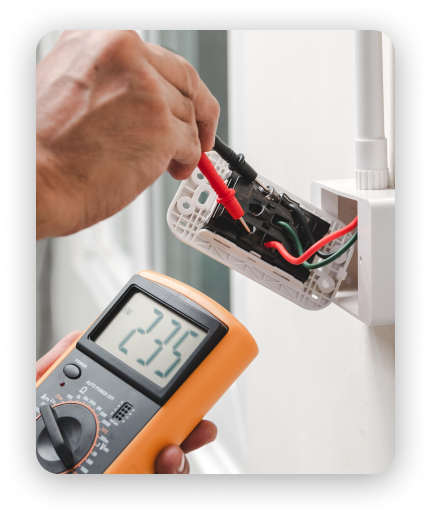
Installing a new appliance can involve more than removing the old unit and connecting the replacement. Major appliances have specific electrical requirements, and the outlet, circuit, or wiring that worked for your old appliance may not suit the new one. Before installation, you may need to confirm the correct circuit, electrical connection, and available capacity.
Depending on your setup, electrical work may involve installing a dedicated circuit, installing new wiring, installing a GFCI outlet, or upgrading your electrical panel. F.F. Hitchcock Plumbing, Heating & Cooling provides professional appliance installation in Cheshire, CT, and can handle the electrical updates needed to accommodate a new appliance. The company installs dishwashers, washers and dryers, refrigerators, ranges, and deep freezers.
Check Whether the Appliance Needs a Dedicated Circuit
One of the first considerations is whether your new appliance needs a dedicated circuit. A dedicated circuit supplies power to a specific appliance rather than sharing that circuit with multiple outlets or electrical devices.
Large appliances can place significant demand on a home’s electrical system, and many have specific circuit requirements.
Appliances that may need dedicated circuits include:
- Electric ranges and ovens
- Dishwashers
- Refrigerators
- Electric dryers
- Clothes washers
Requirements vary by appliance. For example, current residential electrical guidelines call for an electric range to use a 240-volt circuit, while dishwashers use 120-volt branch circuits sized according to their electrical load. Electric dryers also require a 240-volt circuit.
That’s why appliance specifications matter. Check the required voltage, amperage, and circuit size before installation rather than assuming the existing circuit is suitable.
If the appropriate circuit isn’t already available, you may need to install one. F.F. Hitchcock Plumbing, Heating & Cooling offers electrical installations for new circuits, wiring, outlets, and other electrical updates for Cheshire homes.
Make Sure the Outlet and Wiring Match the New Appliance
Even when your new appliance is going in exactly the same place as the old one, the existing electrical connection may not be suitable. Differences in appliance specifications may mean you need to change an outlet, wiring, or connection before installation.
Some of the electrical details that may need to be evaluated include:
- Outlet or receptacle type
- Wiring size and condition
- Voltage requirements
- Hardwired versus plug-in connections
- Grounding
- GFCI outlet or GFCI protection requirements
GFCI protection is particularly important in areas where electrical equipment may be exposed to moisture, like kitchens and laundry rooms. These protective devices are designed to interrupt power when a ground fault is detected, helping reduce the risk of electrical shock.
Wiring that is outdated, damaged, or improperly sized for a new appliance may need to be addressed before the appliance can be connected. F.F. Hitchcock Plumbing, Heating & Cooling provides electrical wiring to ensure proper electrical safety and function.
Determine Whether the Electrical Panel Can Handle the Added Load
The individual circuit is only one part of the equation. Your home’s electrical panel also needs enough capacity to support the new appliance along with the other electrical equipment already in use.
This can be particularly important when adding a high-demand appliance rather than simply replacing one with a comparable model. Frequent breaker trips, an overloaded panel, or an outdated panel can indicate that the electrical system should be evaluated before adding another substantial electrical load.
A load calculation can help determine whether the electrical service has sufficient capacity. Rather than looking only at whether there is an open space for another breaker, a load calculation considers the electrical demand placed on the system and whether the available service can accommodate the new appliance.
If the panel cannot support the necessary circuit or additional load, electrical upgrades may be required. Depending on the existing system, this could involve adding the appropriate breaker and circuit or upgrading the electrical panel itself.
However, installing a new appliance doesn’t automatically mean you need a new panel. Your electrician can help you determine whether your home’s existing electrical system can support your new appliance and make upgrades only when they’re necessary for the installation.
What to Expect for Appliance Installation From F.F. Hitchcock Plumbing, Heating & Cooling
Planning for electrical requirements before appliance installation can make the entire process easier. If your new range, dryer, refrigerator, dishwasher, or other major appliance has different requirements from the appliance it’s replacing, those differences can be identified before the final hookup.
F.F. Hitchcock Plumbing, Heating & Cooling provides appliance installation services in Cheshire and can evaluate the existing infrastructure and make necessary electrical or plumbing fixture updates to accommodate the new appliance.
Depending on the appliance and your home’s setup, the installation process can include:
- Verifying the appliance’s electrical requirements
- Confirming that the existing connection is appropriate
- Checking whether electrical or plumbing fixtures need updates
- Completing necessary upgrades
- Connecting and installing the new appliance
- Testing the appliance after installation
Schedule Appliance Installation With F.F. Hitchcock Plumbing, Heating & Cooling in Cheshire, CT
The electrical work needed before installing a new appliance depends on the appliance’s specifications and your home’s existing electrical system. Some installations may work with the existing setup, while others could require a dedicated circuit, updated wiring, GFCI protection, a different electrical connection, or electrical panel upgrades. F.F. Hitchcock Plumbing, Heating & Cooling can help you prepare for your new appliance and complete the installation.
Contact us to schedule professional appliance installation in Cheshire, CT.
FAQs About Appliance Electrical Requirements