
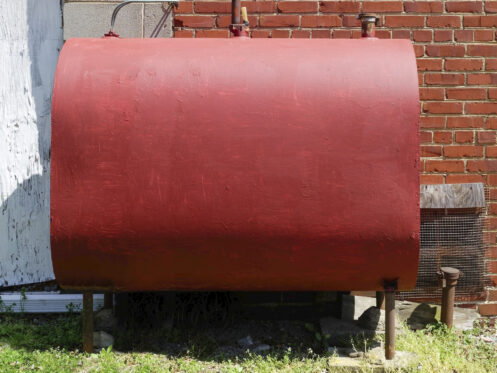
Your oil tank is important for keeping your home warm, safe, and functional during the heating season. Whether it sits in your basement, crawl space, or yard, the fuel oil tank quietly stores the fuel your heating system depends on every day. Since it runs in the background, it is easy to forget about it until a problem arises. Unfortunately, oil tank issues rarely start small. By the time warning signs become obvious, the risk of leaks, property damage, and costly cleanup rises quickly. This guide will explore red flags that signal the need for oil tank replacement.
Rust and Corrosion
Rust and corrosion are among the most common and dangerous oil tank problems. Most fuel oil tanks are steel, which deteriorates over time when exposed to moisture, oxygen, and temperature changes. Even indoor tanks experience corrosion due to humidity and condensation.
External rust often appears first. You may notice flaking metal, pitting, or discoloration on the tank surface. While this damage may look cosmetic, it often indicates deeper corrosion beneath the surface. Once corrosion penetrates the tank wall, the risk of leaks increases.
Internal corrosion poses an even greater threat because it often goes unnoticed. Water can enter a fuel oil tank through condensation or delivery issues. When water settles at the bottom of the tank, it accelerates corrosion from the inside out. By the time oil leaks appear, the tank may be beyond repair. If rust appears on any part of your oil tank, replacement often offers the safest and most cost-effective solution.
Sludge Buildup
Sludge buildup represents another major red flag that is often overlooked. Over time, fuel oil naturally degrades and separates. Dirt, rust particles, and organic material settle at the bottom of the tank, forming a thick layer of sludge. This sludge restricts fuel flow, clogs filters, and forces the heating system to work harder. As sludge accumulates, it increases wear on burners and pumps, which leads to inefficiency and potential breakdowns.
Sludge can also accelerate internal corrosion. The acidic nature of degraded fuel damages the tank lining and weakens the steel. In advanced cases, sludge hides pinhole leaks or structural damage until failure occurs. If your system requires frequent filter changes, experiences burner issues, or shows signs of inconsistent fuel delivery, sludge buildup may already affect the tank. In these situations, oil tank replacement often provides a more reliable long-term solution than repeated cleanings.
Advanced Tank Age
Age alone doesn’t always determine tank condition, but it does play a part in failure risk. Most steel fuel oil tanks have a lifespan of 15 to 25 years, depending on installation quality, environment, and maintenance. As tanks age, metal weakens, coatings break down, and internal corrosion accelerates. Even tanks that appear to be solid externally may have thinning walls or hidden damage. Older tanks also lack modern safety features found in newer designs.
Many homeowners don’t know the age of their oil tank, especially in older homes. If your tank has no visible installation date or documentation, a professional inspection from our team can help estimate its remaining lifespan. Once a tank reaches the upper end of its expected life, proactive oil tank replacement is a good idea.
Leaking Oil
Oil leaks represent the most urgent and serious warning sign. Even small leaks indicate a compromised tank that can fail completely at any time. Leaks often start slowly, appearing as stains, odors, or damp spots around the tank or nearby floor. Indoor oil leaks damage floors, walls, and foundations while creating strong odors that linger. Outdoor leaks contaminate soil and groundwater, leading to costly environmental cleanup and legal liability.
Oil leaks also pose fire hazards and health risks. Fuel oil fumes irritate the respiratory system and reduce indoor air quality. Once a tank begins leaking, repair rarely offers a safe or permanent solution. Immediate oil tank replacement protects your home and prevents further damage.
Vent Alarm Failures
Vent alarms are very important during oil deliveries. These devices emit a whistle sound as air escapes the tank while oil enters. When the tank reaches capacity, the whistle stops, signaling the delivery driver to shut off the flow. If the vent alarm fails, the driver may overfill the tank, causing oil spills inside or outside of your home. Vent alarm failures are often caused by sludge buildup, corrosion, or blocked vent lines.
A silent or inconsistent vent alarm signals serious internal issues within the tank. Since vent alarms connect directly to the tank interior, problems can indicate advanced deterioration. When vent alarms fail, replacement provides a safer option than repair, especially for older tanks.
What to Expect During Oil Tank Replacement
Many homeowners delay oil tank replacement because they expect a long, disruptive process. In reality, professional tank replacement follows a structured procedure designed to minimize inconvenience.The process begins with an inspection and site evaluation. We assess the existing tank location, fuel lines, venting, and code requirements. We also determine the best placement for a new tank, whether indoors or outdoors.
Next comes safe removal of the old tank. Our technicians drain the remaining fuel, disconnect the lines, and remove the tank, all in accordance with environmental and safety regulations. Proper disposal ensures compliance and prevents contamination.
New oil tank installation includes setting the tank on a stable base, connecting supply and return lines, installing proper venting, and testing the system for leaks. Modern tanks often feature improved coatings, stronger materials, and enhanced safety components. Once installation is complete, our technicians inspect the system and confirm proper operation.
Why New Oil Tanks Offer Better Protection
Modern oil tanks provide several advantages over older models. Improved manufacturing standards reduce corrosion risk and extend service life. Many tanks include protective linings or double-wall designs that add an extra layer of safety. New installations will also comply with current codes and insurance requirements. This compliance reduces liability concerns and improves resale value.
The Cost of Waiting Too Long
Postponing oil tank replacement tends to cost more than acting early. Emergency leaks require immediate response, environmental cleanup, and potential structural repairs. Insurance coverage may not apply if negligence or age-related failure contributed to the damage. Planned replacement allows you to schedule work on your terms, compare options, and avoid crisis situations. Proactive action also prevents heating interruptions during cold weather.
How to Decide When Replacement Makes Sense
Several factors help determine the right time for oil tank replacement. Visible rust, frequent maintenance issues, advanced age, and safety component failures all signal increasing risk. Professional inspection provides clarity when warning signs appear. We will evaluate tank condition, estimate remaining lifespan, and recommend steps based on safety and cost considerations. When multiple red flags appear together, replacement offers the safest path forward.
Schedule Oil Tank Replacement With F.F. Hitchcock Plumbing, Heating & Cooling
When oil tank issues arise, expert guidance makes all the difference. Recognizing replacement red flags allows you to plan ahead and protect your home. F.F. Hitchcock Plumbing, Heating & Cooling provides professional evaluation, safe removal, and reliable installation of a new oil tank. We have provided heating services to the Cheshire area since 1870, making us a trusted part of the community.
If you suspect your tank may be near the end of its life, contact us today to schedule an evaluation.