
Heavy rain, melting snow, or rising groundwater can all overwhelm a basement or crawl space. A reliable sump pump is the first line of defense against flooding and subsequent water damage. As with any mechanical system in your home, a sump pump needs professional attention to perform correctly when it matters most. F.F. Hitchcock Plumbing, Heating & Cooling in Cheshire, CT, helps homeowners throughout the area stay dry and worry-free with sump pump inspections, repairs, and replacement services. Use this guide to keep your sump pump in good shape all year.
Why Sump Pump Maintenance Matters
Sump pumps only run when needed, usually during storms or in October, when Cheshire gets an average of five inches of rain. Because they spend so much time idling, problems can go unnoticed until they fail in the middle of a flood.
Regular maintenance ensures your sump pump works when needed, protecting against basement flooding, mold growth, and water damage to your belongings. Neglected sump pumps are more likely to experience mechanical issues, get clogged, or burn out. With a bit of attention each season, you can protect your sump pump’s lifespan and avoid emergency repairs.
Understand the Basics of Your System
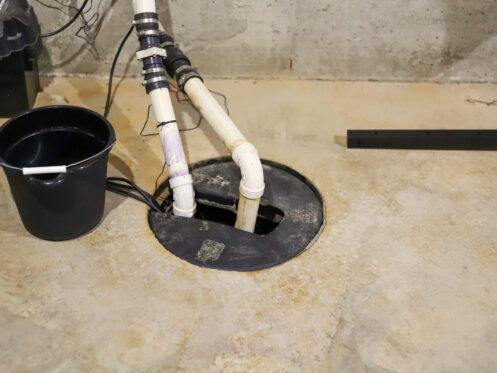
Before maintaining a sump pump, it helps to know the parts and how it works. Most systems include the following.
Sump Pit
The sump pit is the basin at the lowest point of your basement or crawl space. This pit collects water.
The Sump Pump
The sump pump is a submersible pump or pedestal unit that activates when the water level in the pit reaches a set level. It pumps the water from the pit to remove it from your home.
Float Switch
The float switch is a mechanism that turns the pump on or off as water levels inside the pit rise and fall. It prevents the sump pump from running continuously.
Discharge Pipe
The discharge pipe connects to the sump pump. A drain line carries the pumped water safely away from your home’s foundation.
Check Valve
The check valve, a non-return valve, prevents water from flowing back into the pit after pumping.
Understanding these parts and how they work can help you spot trouble early and explain problems clearly if you need to call us for repairs. Our technicians at F.F. Hitchcock Plumbing, Heating & Cooling offer 24/7 emergency repairs.
Visual Monthly Inspections
A quick monthly inspection can help you spot minor issues before they become major concerns. Here are some things to look for:
Check for Debris
Debris can enter the sump pump pit and block the float, damage the pump, or clog it. Keeping the pit clean will protect your pump.
Inspect the Power Cord
Look for signs of wear and tear and ensure it’s plugged into a GFCI outlet. If you notice damage, unplug the unit and have it serviced.
Test the Pump
Pour a bucket of water into the pit. Check to make sure the pump activates and turns on. You need a new float switch or pump repair if it doesn’t.
If you notice any problems, it’s time to schedule a professional inspection. Loud motors, rattling, or sluggish pumping require professional intervention for a proper diagnosis and repair.
Clean Your Sump Pump
Dirt, sediment, and small stones can clog the intake screen or jam the float switch mechanism. Your sump pump needs cleaning every three to four months.
First, unplug the power, remove the pump, and inspect it for buildup. Then, clean the screen and housing with warm, soapy water and a soft toothbrush.
Rinse the pit to remove any sludge or sediment, then reassemble the pump and put it back into the pit area. A quick test with a bucket of water will ensure the pump works effectively.
Never attempt to clean your sump pump while it’s plugged in. Our professionals can inspect and diagnose it if it fails to engage during testing.
Check the Discharge Line Seasonally
Homeowners in Cheshire frequently overlook the discharge pipe, but it is a critical component. A blocked or frozen line can cause water to overflow into your basement. Every season, check the discharge line for the following.
- Free of blockages
- Sloped away from your home
- Functional check valve
With freezing temperatures in the winter, many homeowners in Cheshire install sump pump covers and insulate their discharge lines. These interventions offer protection against freezing.
Replace the Battery on Backup Systems
If your sump pump has a backup battery, you should inspect and test it every 6 to 12 months. A good battery should last at least five years. Without it, your sump pump will stop working during a power outage, potentially putting your home in danger. Check for the following battery issues.
- Corrosion on terminals
- Low fluid levels
- Flashing indicators
- Weak performance
If you are unsure how to test or replace the backup battery, our trusted professionals at F.F. Hitchcock Plumbing, Heating & Cooling can help. Our extensive services keep your sump pump operating safely and efficiently.
Schedule Annual Professional Maintenance
Even with monthly checks, you must schedule annual professional maintenance. Our licensed plumbers can catch things you might miss. Our professional sump pump maintenance involves these essential steps.
- Motor, impeller, and switch inspection
- Check valve and discharge line inspection
- Internal parts cleaning
- Float switch testing
- Verifying backup system function
- Honest recommendations about repair or replacement
A professional inspection is vital if your sump pump is older than 7 to 10 years or runs frequently throughout the year. Age can lead to wear and tear, which makes your pump less effective.
Signs Your Sump Pump Needs Help
No system lasts forever. Knowing when to replace or repair your sump pump is just as important as keeping it clean. You need our professional services if you notice these signs:
- Unusual noises during operation
- Failure to activate
- Short cycling
- Constant running
- Visible rust or cracks in the housing
- Continuous water in the basement
These signs indicate your sump pump may be underpowered, worn out, or struggling with failing parts. We can find the problem and offer long-term solutions.
Consider Upgrading for Additional Protection
Modern sump pumps are smarter and more efficient than older models. If your system is aging or lacks backup protection, newer options include many integrative and protective features.
- Battery backup systems
- Water-powered backups
- Wi-Fi enabled pumps
- High-capacity pumps
Upgrading can give you peace of mind, knowing your home is protected. These added features can help prevent severe water damage during extreme weather events.
Trust Your Local Experts
A working sump pump can mean the difference between a dry basement and thousands of dollars in home damage. If you are unsure how to maintain your sump pump or it shows signs of problems, our professionals are here to help.
F.F. Hitchcock Plumbing, Heating & Cooling opened its doors in 1870, and we continue to provide the same trustworthy services for our valued customers in Cheshire and surrounding areas. Our family-owned and operated business is your one-stop shop for plumbing, heating, and cooling. Our team is always available to provide 24/7 emergency repairs.
Call our trusted team at F.F. Hitchcock Plumbing, Heating & Cooling if you need sump pump services in Cheshire!

Frequently Asked Questions
In most cases, no. A sump pump is meant to move groundwater away from the foundation, not into a sanitary sewer or septic system. Connecting it to the wrong line can cause backups, overload systems, or create compliance issues.
The safest approach is to have the discharge routed to an approved location that moves water away from the home. If you are unsure what is allowed for your property in the Cheshire, CT area, F.F. Hitchcock Plumbing, Heating & Cooling can help you confirm the best setup.
Not every home needs one, but many homeowners install a sump pump before a flood happens. Dampness, musty odors, staining on foundation walls, or water after heavy rain or snowmelt can point to groundwater pressure even if you have not had standing water yet.
If you are trying to decide whether a sump pump makes sense for your home in New Haven County, a quick evaluation of drainage, grading, and basement conditions can give you a clear answer.
A sump pump is designed to remove groundwater that collects around the foundation and enters a sump basin. A sewage ejector pump is used to move wastewater from below-grade plumbing fixtures like a basement bathroom or laundry up to the main sewer line.
They are built for different jobs, so choosing the right system matters for safety and reliable drainage.
Many homeowners prefer a dedicated circuit because sump pumps are most needed during storms when other electrical loads may also be running. A dedicated circuit can reduce the chance of an accidental trip and helps keep the system more dependable during heavy rain events.
An electrician can confirm what is appropriate for your panel and whether adding surge protection or a cleaner power setup is a smart upgrade for your basement flood prevention plan.
A sump pump handles bulk water, but dampness can also come from high humidity, minor seepage through foundation walls, or air leaks that pull moisture inside. Poor ventilation, unsealed rim joists, and wet soil near the foundation can also contribute to that clammy basement feel.
Pairing sump pump reliability with moisture control steps like a properly sized dehumidifier, improved drainage, and air sealing often makes the biggest difference.
In some homes, openings in the basement floor, including sump basins, can be part of how soil gases enter. If radon is a concern, a sealed cover and the right venting strategy can help, especially when combined with a radon mitigation plan.
If you are testing or planning radon improvements in the Cheshire, CT area, F.F. Hitchcock Plumbing, Heating & Cooling can help you understand how sump equipment fits into an overall basement safety approach.
If roof runoff is dumping water near the foundation, the soil can stay saturated and push more groundwater toward the basement. Keeping gutters clear, extending downspouts away from the home, and maintaining proper grading can reduce how much water ends up in the sump system.
These exterior drainage steps are often an overlooked part of sump pump performance and basement water damage prevention in Connecticut.
It depends on the setup, but it is usually not a good idea to repurpose a basement sump system for outside draining. Debris, grit, or chemicals can stress equipment, and pumping extra water can increase wear when you need the pump most.
If you have frequent outdoor pooling or drainage issues, it is better to address the source with grading, drainage improvements, or the right type of pump designed for that job.