
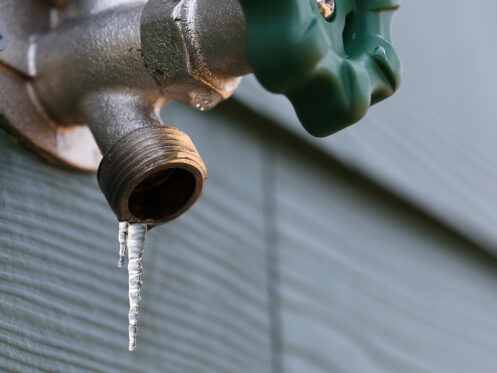
Winter places additional stress on your plumbing system, especially when you have a basement. As temperatures drop, pipes contract, water freezes, and small vulnerabilities become more serious problems. Many winter plumbing issues that you will experience do not announce themselves. Instead, they begin behind your walls, under your floors, or above your basement ceiling. These hidden leaks often cause extensive water damage in the basement before you realize you have a problem.
Why Winter Makes Basement Leaks More Likely
Winter creates a perfect storm for plumbing leak risks. Cold temperatures cause pipes to contract, which stresses joints and weakens aging materials. When water freezes inside the pipes, it expands, increasing pressure even further. At the same time, frozen ground shifts around foundations, further straining underground water lines.
Basements remain especially vulnerable during the winter. They sit below ground level, where temperatures tend to fluctuate more and moisture collects easily. Many homes route main water lines, supply pipes, and drain lines through basement walls and ceilings. Since basements receive less daily use, leaks go unnoticed until visible signs of water damage appear.
Heating systems also contribute to the problem. Constant indoor heating dries the air that is inside your home, which creates a temperature difference between warm interior spaces and cold basement areas. These differences increase condensation and accelerate pipe wear. Together, these factors make winter one of the most dangerous seasons for hidden plumbing leaks.
Frozen and Cracked Pipes
Frozen pipes are one of the most common winter plumbing problems that can affect your basement. When water inside a pipe freezes, it expands outward and places intense pressure on the pipe walls. Even strong materials such as copper and steel can crack under this force.
Cracked pipes can often deceive you because they do not always burst immediately. In many cases, the pipe freezes, cracks slightly, and remains sealed by ice. Once temperatures rise and the ice melts, water begins to leak through the crack. These leaks often occur behind insulation, drywall, or framing, allowing water to slowly soak into materials over time.
Basement pipes running along exterior walls face the highest risk. Pipes near windows, vents, or uninsulated foundation sections freeze faster than interior plumbing. A small crack can release gallons of water each day, causing gradual but severe water damage in the basement of your home.
Burst or Leaking Main Water Line
The main water line connects your home to the municipal supply, and winter places stress on this critical pipe. Frozen soil, frost heave, and shifting ground can weaken joints or crack older pipes. In many Cheshire-area homes, main lines consist of aging materials that struggle to withstand repeated freeze and thaw cycles.
A burst or leaking main water line often sends water directly into the basement through foundation walls or floors. You may notice damp concrete, pooling water, or unexplained moisture near the point where the line enters the home. Sudden increases in water bills serve as your first warning sign.
Since the leak occurs before interior shutoff valves, water continues flowing nonstop. This constant pressure accelerates water damage in the basement and increases the risk of foundation deterioration. Immediate pipe repair becomes a necessity once a main line leak appears.
Condensation on Cold Water Lines
Not every winter moisture issue involves an active plumbing leak. Condensation on cold water lines often mimics leak symptoms and causes damage. When warm indoor air contacts cold pipe surfaces, moisture forms and drips onto surrounding materials. Basements are frequently affected by this problem because they remain cooler than the upper floors. Cold water lines running through uninsulated or poorly ventilated spaces attract condensation, especially during winter when indoor heating increases humidity differences.
Over time, condensation can cause damage to insulation, rust metal pipes, and soak floors and walls. Persistent moisture encourages mold growth and weakens building materials. Since condensation appears gradual, you may not recognize the issue until visible water damage in the basement develops. Professional leak detection from our team can help distinguish condensation from hidden pipe failures.
Leaking Hose Bibs
Outdoor hose bibs represent a common source of winter basement leaks. These fixtures connect directly to interior plumbing and often pass through basement walls. If you fail to disconnect hoses or turn off supply valves, water remains trapped in the line during freezing temperatures.
When trapped water freezes, it expands and cracks the hose bib or interior piping. Once temperatures rise, water leaks into the basement walls near the connection point. These leaks frequently remain hidden behind drywall or insulation. Leaking hose bibs cause slow, continuous moisture exposure that damages framing, encourages mold growth, and weakens structural materials. You may only discover the issue months later when stains, peeling paint, or odors appear in the basement.
How to Prevent Basement Plumbing Leaks
Preventing winter plumbing leaks requires preparation and consistency. Insulating exposed pipes reduces the chance of freezing and helps to limit the accumulation of condensation. Pipe insulation sleeves and heat tape help stabilize temperatures in vulnerable areas. Sealing gaps around foundation walls and windows will help to prevent cold air from reaching the pipes. Allowing homes to drop too cold increases the chance of frozen pipes.
Shutting off and draining outdoor water lines before winter will also prevent hose bibb failures. Removing hoses and installing frost-resistant fixtures adds an extra layer of protection. Regular basement inspections help catch early warning signs. Damp spots, corrosion, musty odors, and unusual sounds often indicate developing plumbing leaks. Our professional leak detection services provide deeper insight by identifying hidden problems before extensive damage occurs.
What to Do If You Suspect a Basement Plumbing Leak
When you suspect a plumbing leak, quick action minimizes damage. Shutting off the main water supply prevents additional water from entering the system. Inspecting visible pipes, walls, and floors helps identify obvious sources. Unexplained increases in water bills will often signal hidden leaks in your system. The sounds of running water when the fixtures remain off also suggest trouble.
Our plumbers use specialized equipment to find hidden leaks. Early diagnosis allows targeted pipe repair rather than widespread demolition. Delaying action increases water damage in the basement and raises plumbing repair costs. Moisture left untreated leads to mold growth, structural damage, and compromised indoor air quality. Acting quickly protects the home and reduces long-term expenses.
Call F.F. Hitchcock Plumbing, Heating & Cooling Before a Small Leak Becomes Major Damage
Hidden winter plumbing leaks are rarely resolved on their own. Cold conditions continue to stress pipes, and small leaks often worsen as temperatures fluctuate. Ignoring early signs allows water damage in the basement to spread and multiply. F.F. Hitchcock Plumbing, Heating & Cooling provides expert leak detection, reliable pipe repair, and comprehensive solutions for winter plumbing problems. Our experienced team quickly identifies hidden leaks and helps you protect your basement from costly damage. At F.F. Hitchcock Plumbing, Heating & Cooling, we have been a family-owned business caring for the plumbing needs of Cheshire residents since 1870.
Schedule service with us today to address winter plumbing leaks.